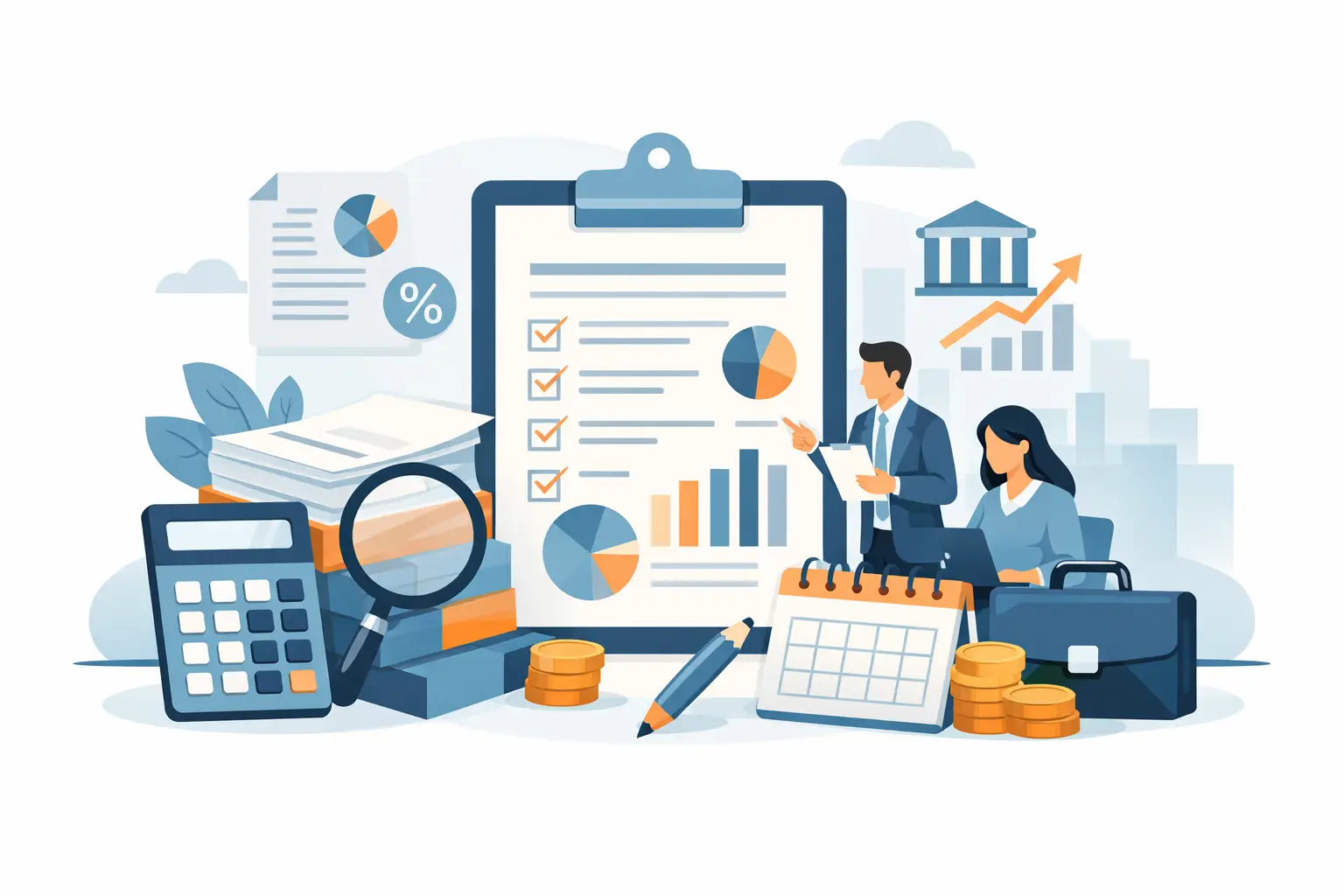
A lot of tax problems start months before a return is filed. Expenses get miscoded, payroll entries stay unreconciled, owner draws are recorded inconsistently, and by tax season the real issue is not the form – it is the data behind it. That is why business tax preparation services matter. For small business owners, the right tax support is not just about meeting a deadline. It is about filing from clean books, making informed elections, and reducing the risk of costly mistakes.
For many businesses, taxes sit at the intersection of bookkeeping, payroll, entity structure, and planning. If one part is off, the return becomes harder to prepare and easier to challenge. A CPA-led process brings those moving pieces together so tax filing is accurate, defensible, and useful for decision-making.
What business tax preparation services should actually include
Some business owners think tax preparation means handing over a profit and loss statement in March and waiting for a return to come back. That can work for a very simple business, but it is usually not enough for a growing company, a multi-owner entity, or an operation with employees, inventory, contractors, or multiple states.
Strong business tax preparation services usually begin with a review of the books. If bookkeeping is incomplete, the tax return may technically get filed, but the numbers may not reflect reality. A proper process often includes reviewing the chart of accounts, reconciling bank and credit card activity, checking payroll totals against filings, confirming fixed asset treatment, and identifying unusual balances that need adjustment.
From there, tax preparation becomes more strategic. A preparer may assess whether the business is using the right entity type, whether owner compensation is being handled properly, whether estimated payments are aligned with current income, and whether deductions are being supported correctly. This is where the difference between compliance only and real advisory support starts to show.
Why clean records matter before tax filing
A tax return is only as reliable as the records behind it. If your bookkeeping is behind, inconsistent, or based on assumptions, your tax filing can expose deeper operational issues. That does not always mean fraud or serious error. More often, it means the business has grown faster than its systems.
For example, an ecommerce company may have revenue recorded from deposits instead of sales reports, which can distort income. A real estate investor may have repair costs and capital improvements blended together, which affects deductions and depreciation. A SaaS business may be recognizing annual contract payments incorrectly, which creates timing issues for tax reporting. These are not rare edge cases. They are common situations where bookkeeping and tax preparation need to work together.
When records are accurate, tax preparation becomes faster and more useful. Owners can see where profit is really coming from, whether tax liabilities are building too quickly, and whether changes should be made before year-end rather than after the fact.
Business tax preparation services are not one-size-fits-all
The right level of support depends on the complexity of the business. A single-member LLC with no employees has different needs than a multi-state S corporation or a partnership with investor distributions. That sounds obvious, but many businesses still use a tax process that is too basic for their actual operations.
A simple return may only require year-end cleanup and filing. A more complex business may need tax planning meetings, quarterly estimates, state filing analysis, depreciation schedules, shareholder basis tracking, and coordination with payroll and bookkeeping throughout the year. There is no benefit in paying for unnecessary complexity, but there is also real risk in using a stripped-down process when the business has outgrown it.
This is especially true when owners are making decisions that affect taxes before they realize it. Taking irregular draws, buying equipment, hiring across state lines, changing compensation methods, or adding a new legal entity can all create tax consequences. Good service helps owners address those issues while there is still time to choose the best path.
What a CPA looks for during tax preparation
Tax preparation is not just data entry. A qualified CPA or tax professional is reviewing the business for consistency, exposure, and planning opportunities. That review may include whether revenue reported on the books aligns with 1099s or payment processor activity, whether payroll tax filings tie to wage expense, whether loan balances reflect actual debt, and whether personal expenses are running through the business.
A CPA also looks at tax elections and treatment decisions that can materially affect the outcome. That may involve depreciation methods, reasonable compensation for S corporation owners, treatment of startup costs, meal and auto expense support, or state nexus issues. In some cases, the return itself is straightforward, but the judgment behind the numbers is where experience matters.
This is one reason many small business owners prefer to work with a firm that handles bookkeeping, payroll, and taxes together. When the same team can see the full picture, there is less room for disconnects and fewer year-end surprises.
Common problems that business tax preparation services can prevent
The biggest tax issues are often preventable. They happen when financial records are neglected, deadlines are missed, or decisions are made without understanding the reporting impact. Filing late is one example, but there are quieter problems that can be just as expensive.
A business may overpay taxes because deductions were missed or assets were expensed incorrectly. It may underpay because owner distributions were confused with wages or because sales activity in another state was never reviewed. It may also trigger IRS or state notices simply because payroll figures do not match the tax return, or because prior-year balances were rolled forward without being cleaned up.
Business tax preparation services help reduce those issues by putting structure around the process. Instead of scrambling to assemble records at the last minute, the business has a defined workflow, documented support, and professional review. That improves accuracy, but it also lowers stress for the owner and creates a stronger foundation for financing, budgeting, and growth.
How to know when your business needs more than annual filing
If tax season feels chaotic every year, that is usually a sign the issue is not the return itself. It is the lack of year-round support behind it. Businesses often need more than annual filing when books are consistently behind, cash flow is unpredictable, payroll has become more complex, or owners do not know what to set aside for taxes until the deadline is near.
Another sign is when the business is changing. Growth, new hires, entity restructuring, acquisitions, investor activity, or expansion into new states all create tax consequences that should be addressed before filing season. Waiting until the return is due limits your options.
This is where a more integrated accounting relationship can help. A firm like Net Worth Accountax can support tax preparation within a broader financial framework, connecting bookkeeping, payroll, compliance, and advisory services so the tax return reflects a business that is being managed proactively rather than repaired after the fact.
Choosing the right provider for business tax preparation services
Experience matters, but so does process. A good provider should be able to explain what documents are needed, what review steps are included, how bookkeeping issues are handled, and whether support is available beyond the filing deadline. Responsiveness also matters. Business owners should not be left guessing about status, missing items, or the reason behind major tax outcomes.
It also helps to choose a provider that understands your industry. Real estate, SaaS, ecommerce, and service businesses all have different reporting patterns and tax considerations. Industry familiarity can make the preparation process more efficient and more accurate, especially when there are questions around revenue recognition, contractor relationships, inventory, multi-entity structures, or state filing obligations.
The best fit is usually a provider that can meet the business where it is now while also supporting where it is headed. Some owners need catch-up work and cleanup. Others need a stable long-term partner who can help them stay compliant, improve reporting, and make smarter tax decisions over time.
Taxes should not be the one moment each year when you finally find out how your business is doing. When preparation is built on accurate records, thoughtful review, and practical CPA guidance, it becomes a tool for stability, not just a filing requirement.

Leave A Comment